From Roman marble and Han dynasty ceramics to Thai carvings, Burmese lacquer and Japanese antiquities, objects from the ancient world continue to bring history, character and mystery into contemporary spaces.
There is something surprisingly natural about placing an ancient object in a modern room. A weathered carving beside a contemporary sofa, an old ceramic vessel on polished stone, or a sculptural relic against fresh plaster can feel far more compelling than an object chosen simply because it matches.
These pieces introduce another time, another hand and another story into the interior. In a world where entire rooms can be assembled almost instantly, artifacts create the impression that a space has evolved slowly over time.
Explore Sculpture & Antiquities: Objects of Stillness →

A World of Ancient Influence
For centuries, designers and collectors have looked to the ancient world for inspiration. Greece and Rome left an especially visible mark on Western interiors through marble, columns, urns, mosaics and sculpture—elements that continue to be reinterpreted today.
Yet antiquity stretches far beyond the Mediterranean. Across Asia, equally rich traditions emerged through ceramics, bronze, lacquer, carved wood and devotional sculpture, each reflecting a different relationship between craftsmanship, beauty and everyday life.
Together, these traditions remind us that there was never one ancient aesthetic. Antiquity could be monumental or restrained, intricately ornamented or remarkably simple—and that diversity is precisely what makes it so relevant to contemporary interiors.

The Enduring Language of Thai Craft
In Thailand, craftsmanship, spirituality and everyday life have long intertwined. Ceramics, bronze sculpture, carved wood, lacquer and gilded objects appear throughout the country's material history, from prehistoric pottery to the sophisticated traditions of Sukhothai, Lanna and Ayutthaya.
Their appeal in contemporary spaces often lies in texture. A wooden figure softened by age or a ceramic vessel marked by an irregular glaze provides a beautiful counterpoint to polished stone, glass and steel. Surround Living’s Antique Thai Teak Temple Carving of a Seated Figure captures this contrast particularly well, its aged surface and sculptural silhouette giving it enough presence to stand alone in even the most pared-back room.
There is no need to recreate a traditional Thai interior around them. A single weathered object against a quiet backdrop allows its craftsmanship and imperfections to become the focus.

The Enlightened Forms: Objects of Stillness
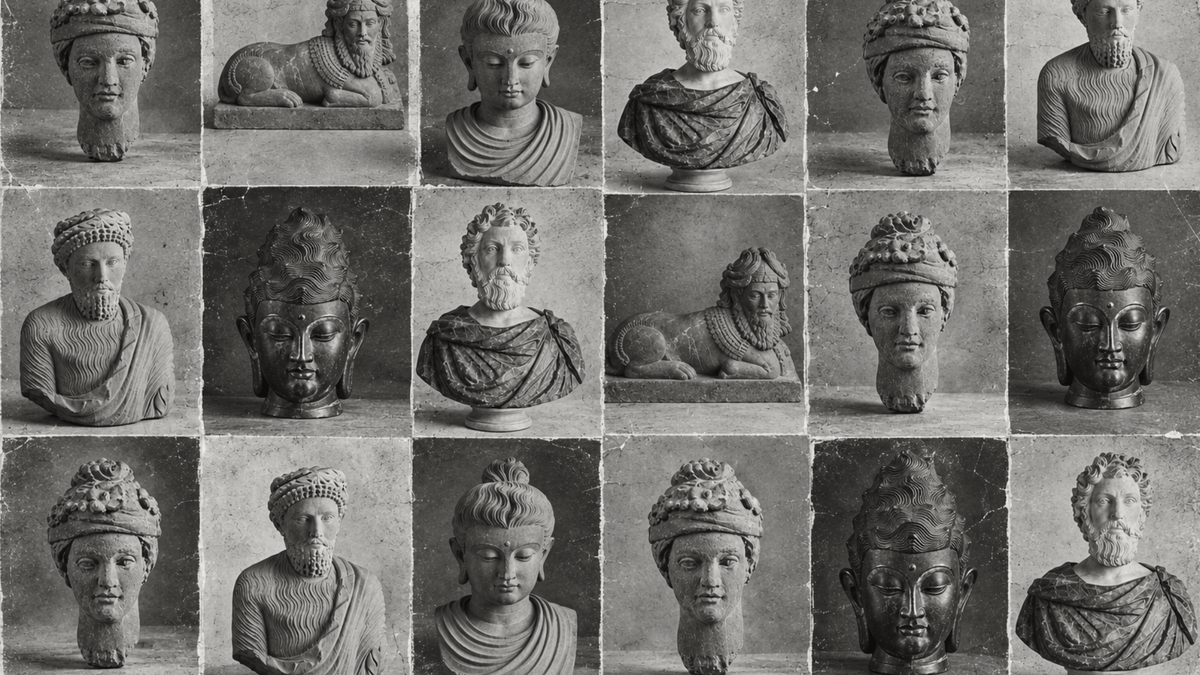
Among the most recognisable artifacts found across Asian art are representations of the Buddha. From the serene bronze figures of Thailand to Burmese gilded sculpture, Chinese Buddhist imagery and Japanese Buddhist art, each tradition developed its own interpretation of the Buddha's form, expression and gesture.
Historically, these were not created simply as decorative sculptures. Buddha images were devotional objects with religious and cultural significance, and details such as posture, hand gestures and expression could carry specific meanings. When authentic historic examples enter contemporary collections, understanding that context—and treating the object respectfully—is an important part of appreciating it.
Visually, Buddha artifacts can bring a remarkable stillness to an interior. A weathered head, small bronze figure or carved fragment needs little embellishment; placed alone on a console, pedestal or low table, its age and craftsmanship become the focus.
A selection of Buddha figures from Surround: (Pictured Below)
- Burmese Bronze Seated Buddha Statue, Deep Black
- Tai Lue Burmese Wooden Seated Buddha
- Chinese Carved White Stone Laughing Buddha Figure
- Southeast Asian Antique Meditating Buddha Bronze Sculpture

The Richness of Burmese Objects
Burmese antiquities introduce a different visual language, shaped by carved wood, lacquer, metalwork, gilding and Buddhist artistic traditions. Their richness often comes as much from age as from their original decoration.
Lacquer develops depth, gilding fades and timber darkens over time. Against pale plaster, linen or travertine, these imperfect surfaces can feel almost jewel-like. The Burmese Wooden Standing Figure or Burmese Oxcart Carving makes a compelling case for leaving these traces untouched—the irregularities in its finish are precisely what give the object its character.
This is where an artifact differs from an ordinary decorative accessory. Rather than simply complementing a room, it can interrupt it—adding an unexpected shape, texture or history that asks to be noticed.
The Quiet Modernity of the Han Dynasty
Some ancient objects can appear remarkably modern. During China's Han dynasty, from 206 BCE to 220 CE, artisans produced ceramics, bronzes and other objects with beautifully balanced forms, many of which feel unexpectedly compatible with contemporary design.
A simple vessel in a minimal room requires very little around it. Its strength lies in proportion, surface and silhouette rather than excessive decoration.
It is also a reminder that simplicity is hardly a modern invention. Forms created thousands of years ago can sit effortlessly beside furniture designed today.
Some of Surround’s most historical Dynasty pieces: (Pictured Below)
- Chinese Han Dynasty Engraved Bone Fragment
- Han Dynasty Painted Pottery Jar
- Chinese Terracotta Relief Tile Fragment
- A Pair of Chinese Painted Pottery Warriors

Japan and the Art of Restraint
Japanese decorative traditions offer another lesson in how objects occupy space. Across ceramics, lacquer, sculpture and metalwork, craftsmanship is often appreciated alongside the material itself and the space surrounding it.
This sensibility translates beautifully into contemporary interiors. A single vessel or sculpture can stand alone rather than becoming part of an overly styled arrangement.
Collecting, after all, does not have to mean clutter. Giving an object room to breathe often makes its silhouette, texture and imperfections even more powerful.
Curated by Surround: (Pictured Below)
- Japanese Samurai Wine / Sake Gourd
- Bulbous Bronze Vase with Artist Sign
- A Pair of Bronze Toads
- Japanese Bronze Rabbit Hollow Sculpture

The Contemporary Collector
Living with ancient objects does not mean creating a period interior. In fact, artifacts can become far more interesting when placed somewhere unexpected.
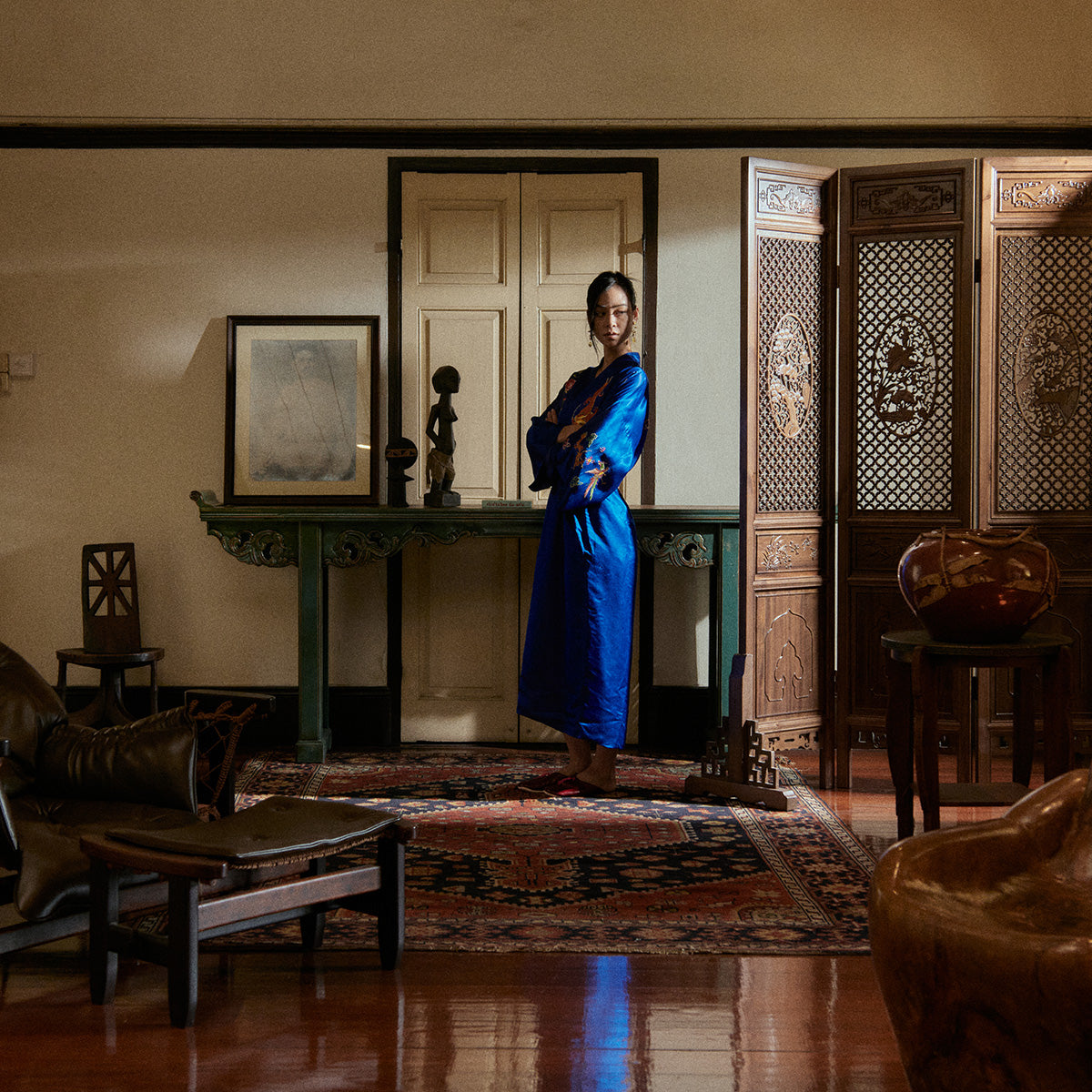
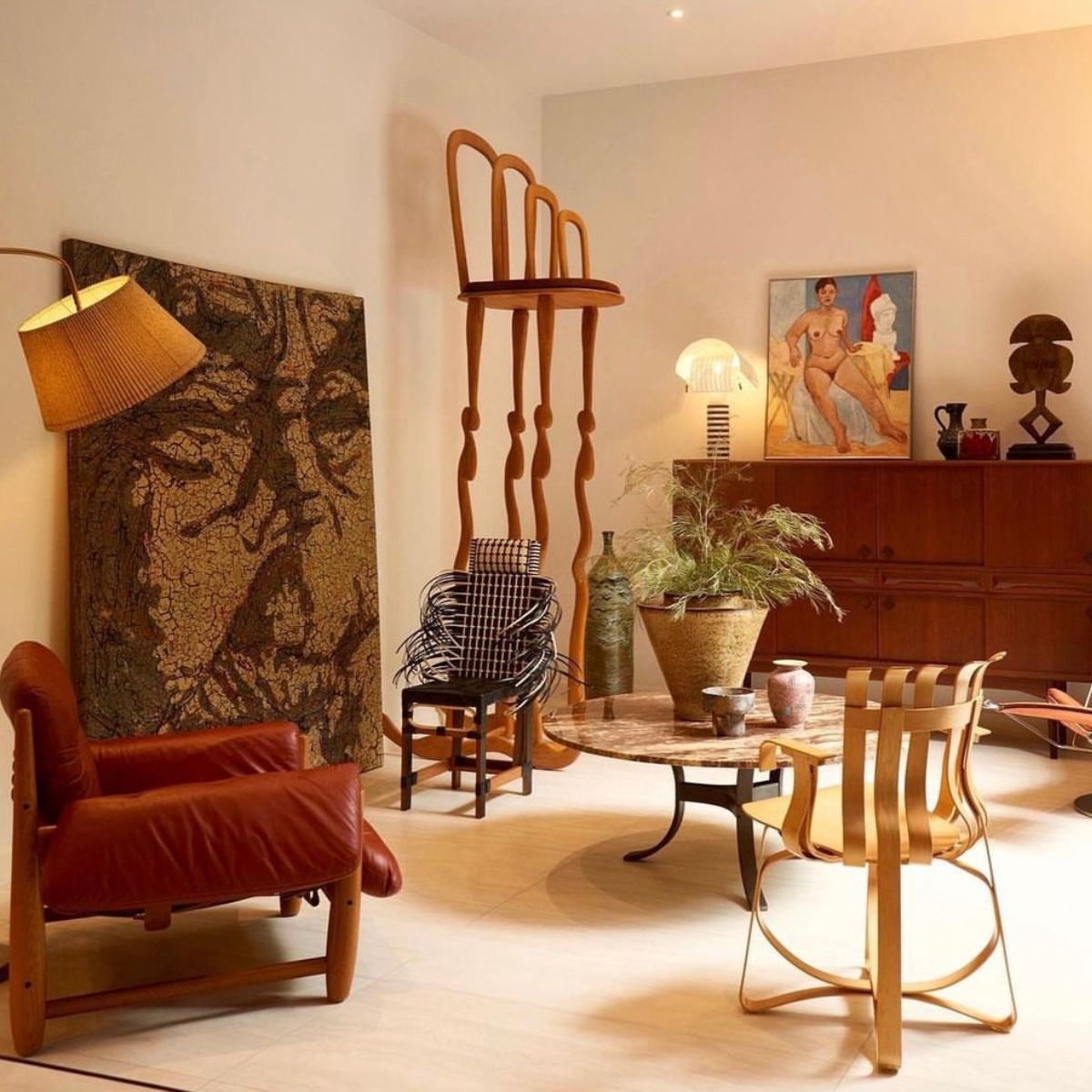
A Burmese lacquer vessel might sit on a modernist table, while a Thai carving could occupy a minimalist room. A Han ceramic might be displayed beside contemporary art, allowing objects separated by centuries to enter into conversation.
The result feels less like conventional decorating and more like collecting. Instead of purchasing everything to complete a particular look, the room develops through discoveries made gradually over time.
For genuinely ancient pieces, provenance matters too. Understanding where an object came from and whether it has been ethically and legally traded should be part of appreciating its history, particularly with archaeological and sacred material.

Living With the Past
The most memorable interiors rarely belong entirely to one period. They bring together objects from different places and generations, allowing ancient and contemporary, polished and weathered, precious and everyday to coexist.
Bringing an artifact into a home is not about recreating history. It is about allowing history to become part of the present—a centuries-old carving beside a modern lamp, an old vessel on a contemporary console, or a relic appreciated simply for the beauty of its form.
The past does not have to remain behind glass. Surround Living’s collection of artifacts, relics and ancient objects invites these pieces back into everyday spaces—not as historical decoration, but as objects to live with, collect and carry forward.