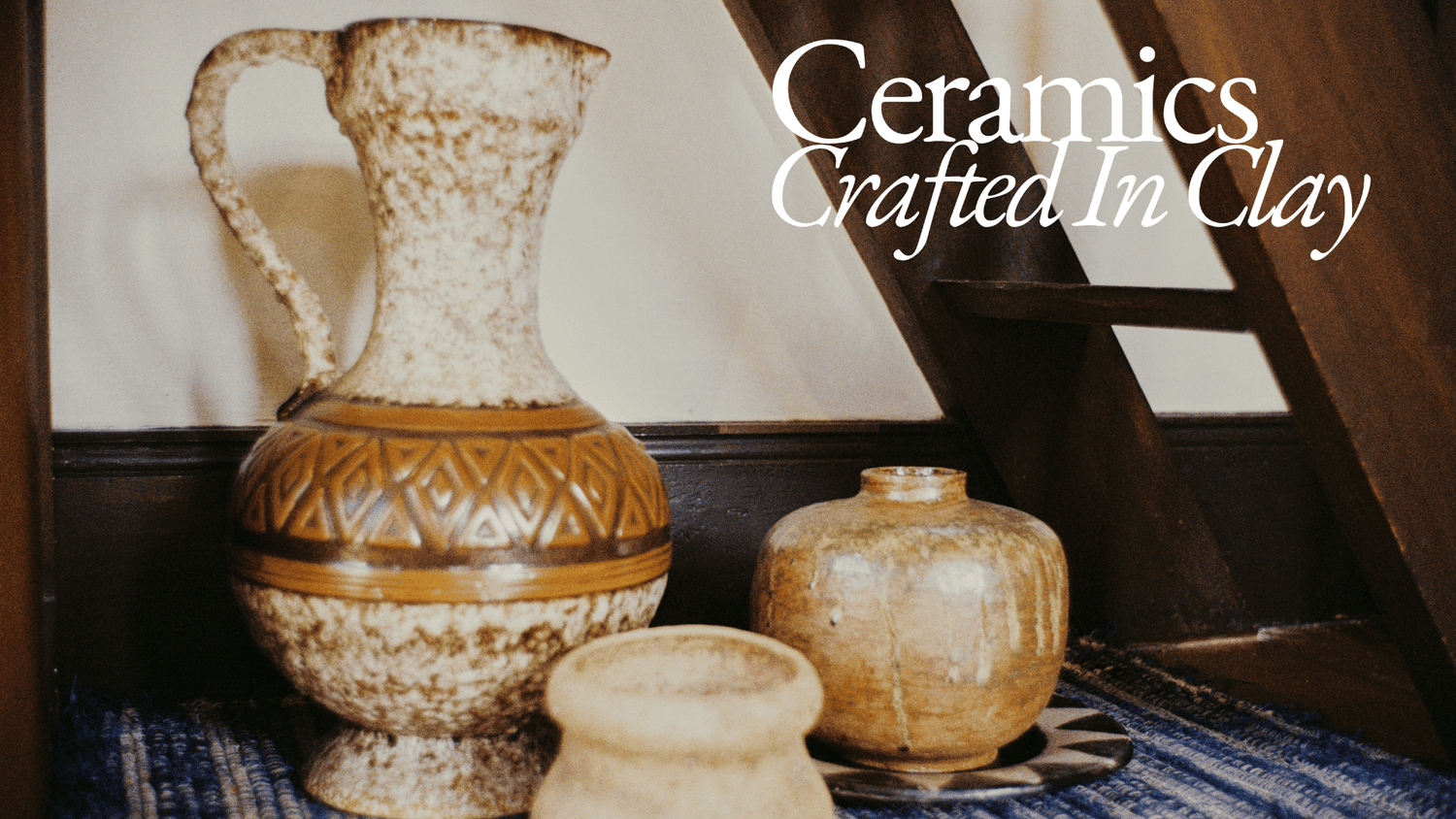
From hand-painted porcelain to centuries-old earthenware, antique ceramics bring history, artistry, and soul into contemporary interiors.
In a design world increasingly dominated by fast production and fleeting trends, antique ceramics offer something profoundly different: permanence.
A centuries-old porcelain bowl, a hand-thrown stoneware vessel, or a delicately painted ceramic plate carries with it the mark of the human hand. These objects were created long before automation and mass manufacturing became the norm, when craftsmanship was measured not by efficiency but by skill, patience, and artistic expression.
Today, designers and collectors are once again embracing antique ceramics—not merely as decorative objects, but as essential elements of layered, meaningful interiors.
Whether displayed on open shelving, arranged on a dining table, or showcased as sculptural art, antique ceramics introduce texture, character, and a sense of history that contemporary accessories often struggle to replicate.

The Enduring Appeal of Clay
Ceramics occupy a unique place in the history of design.
Unlike furniture, textiles, or even architecture, ceramic objects have survived for thousands of years, offering remarkable insights into the cultures that produced them. Ancient vessels, porcelain wares, and decorative pottery continue to reveal how people lived, ate, traded, celebrated, and expressed themselves through art.
What makes ceramics particularly compelling is their dual nature. They are both practical and artistic. A ceramic vessel can be a utilitarian object and a work of art simultaneously.
This balance between function and beauty remains one of the reasons ceramics continue to resonate with contemporary collectors.
Shop Surround Ceramics: (Pictured Below)

Why Designers Love Antique Ceramics
Interior designers often describe antiques as the fastest way to introduce soul into a room.
Ceramics are particularly effective because they offer both visual and tactile richness. A collection of aged vessels on a console table immediately creates depth. Hand-painted porcelain displayed within a modern interior introduces contrast and narrative. A single oversized pottery vessel can function as sculpture.
Unlike trend-driven accessories, antique ceramics possess a quiet confidence.
Their value lies not in novelty but in authenticity.
The subtle imperfections found in hand-thrown pottery, the soft craquelure of an aged glaze, and the natural wear acquired through generations of use all contribute to their beauty. These details cannot be manufactured convincingly; they emerge only through time.
Surround Picks: (Pictured Below)
- Chinese Glazed Wine Storage Jar (Mustard Drip Glaze)
- Chinese Glazed Wine Storage Jar (Maroon & Mustard Drip Glaze)

The Art of Display
One of the greatest advantages of antique ceramics is their versatility.
A collection can be displayed formally or casually, depending on the character of the home. Some designers prefer symmetrical arrangements within glass-front cabinets, allowing individual pieces to be appreciated as objects of art. Others favor more relaxed groupings, layering ceramics alongside books, sculptures, and found objects.
Open shelving provides an opportunity to create visual rhythm through varying heights, shapes, and glaze finishes. Large vessels can anchor a room, while smaller pieces contribute texture and detail.
Recently, decorative plate walls have also experienced a revival, with collectors using antique ceramics to create curated installations that function as architectural focal points.
The most successful displays feel collected rather than assembled.
Surround Picks: (Pictured Below)

What to Look for When Buying Antique Ceramics
For new collectors, the sheer variety of antique ceramics can feel overwhelming.
Experts generally recommend focusing first on quality rather than rarity. Strong form, beautiful glazing, craftsmanship, and visual impact often matter more than age alone.
Condition should always be carefully evaluated. Minor wear may enhance character, but significant restoration, cracks, or structural damage can affect both value and longevity.
Provenance is another important consideration. Understanding where a piece originated and how it fits within a broader historical context can deepen both appreciation and confidence in a purchase.
Most importantly, collectors should buy pieces they genuinely love.
The most successful collections are rarely built around investment potential alone. They are built around curiosity, emotion, and personal connection.
The Future of an Ancient Art Form

Despite their age, antique ceramics feel remarkably contemporary.
As minimalist interiors give way to warmer, more layered environments, collectors and designers are increasingly drawn to objects that tell stories. Ceramics provide exactly that. They offer texture, history, craftsmanship, and individuality in equal measure.
Whether displayed as sculptural centerpieces, grouped into carefully curated collections, or incorporated into everyday life, antique ceramics continue to enrich interiors in ways that few decorative objects can.
Their appeal lies not only in their beauty, but in what they represent: a connection between past and present, between maker and collector, between utility and art.
And in today's homes, that sense of connection may be the most valuable luxury of all.
Shop Surroundliving.com