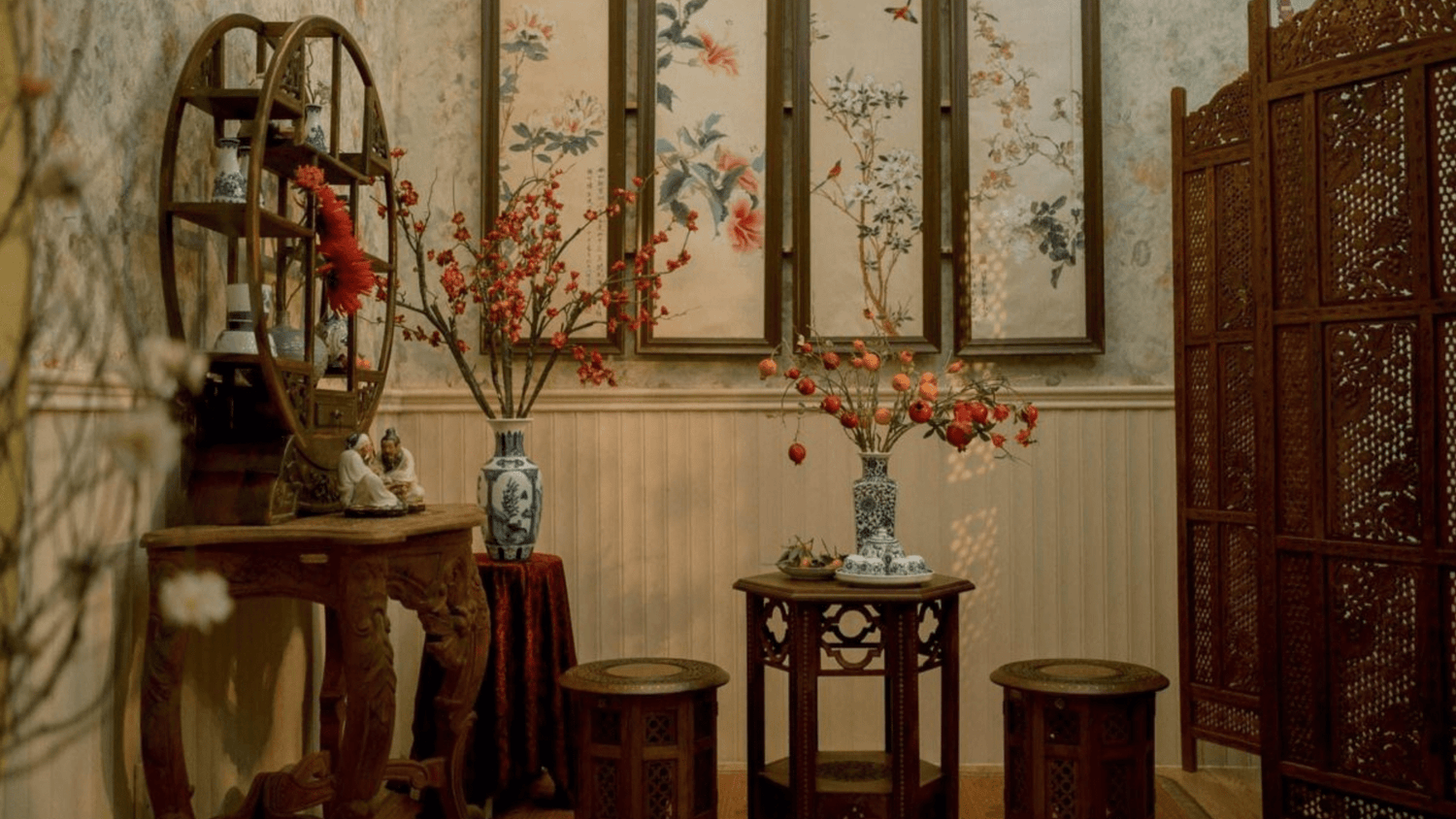
In the world of Classical Chinese furniture, form may capture the eye—but material captures the heart. Beyond the elegant silhouettes and refined joinery lies a deeper narrative: one of geography, rarity, craftsmanship, and time itself.
For collectors and design lovers, understanding wood is essential. Each species carries its own identity—its scent, grain, density, and cultural significance—transforming furniture into something far more meaningful than functional design.
Here, Surround Living editors explore the most revered woods that define this enduring tradition.
Huanghuali: The Crown Jewel
Often referred to as Chinese rosewood, Huanghuali is among the most coveted materials in Chinese furniture history—alongside the legendary Zitan.

Sourced primarily from southern China, particularly Hainan, this hardwood is prized for its warm golden hue, subtle fragrance, and luminous grain that seems to move under light. Its rarity is no coincidence: slow growth cycles and historical overharvesting have made authentic pieces exceptionally scarce.
Today, Huanghuali furniture represents more than beauty—it is a symbol of connoisseurship, heritage, and enduring value.
Zitan: The Imperial Wood

Dense, dark, and impossibly refined, Zitan is often associated with imperial craftsmanship. So heavy it can sink in water, this rare hardwood was historically imported through arduous sea routes, contributing to its elite status.
Its deep purplish-red tone and ultra-fine grain make it ideal for intricate carvings, allowing artisans to achieve extraordinary detail without the need for lacquer. The result is a quiet luxury—subtle, powerful, and unmistakably timeless.
Yumu: Strength in Simplicity
Northern Elm, or Yumu, tells a different story—one of utility, resilience, and authenticity.
Found across China’s northern regions, Yumu is known for its bold, expressive grain patterns and durable structure. Historically used in temples and ancestral halls, many antique pieces remain remarkably intact, even without protective finishes.
For contemporary interiors, Yumu offers a grounded, organic aesthetic—perfect for those who appreciate raw beauty and honest materials.
Jumu: The Elegance of the South
If Yumu is rustic, Jumu is refined.
Commonly found in the Jiangnan region, this Southern Elm (or Zelkova) is denser and smoother, with a signature grain pattern resembling layered mountain peaks—poetically known as the “pagoda pattern.”
Highly prized varieties, such as the reddish “Blood Ju,” rival more luxurious woods in appearance while maintaining a distinct regional identity. It’s no surprise Jumu became a hallmark of Suzhou craftsmanship, where elegance meets precision.
Baimu: The Silent Support
Cypress wood, or Baimu, plays a quieter role in furniture-making—but no less important.
Known for its natural resistance to moisture, insects, and decay, it has long been used in architecture and structural elements. In furniture, it often appears as a secondary material, supporting more decorative hardwoods.
Its subtle aroma and durability make it a hidden hero—essential, yet understated.
Songmu: The Everyday Essential
Pine, or Songmu, offers accessibility and versatility.
Lightweight and easy to work with, it has historically been used for more practical or decorative components. While its grain may lack the drama of premium hardwoods, it provides a softer, more casual aesthetic—often enhanced with lacquer finishes.
In modern contexts, Songmu aligns beautifully with relaxed, contemporary interiors that embrace simplicity.
Zhangmu: Beauty with Purpose
Camphor wood, or Zhangmu, is where function meets sensory design.
Renowned for its distinct, long-lasting fragrance, it naturally repels insects—making it the material of choice for storage cabinets and chests, particularly for textiles.
Beyond practicality, Zhangmu introduces an invisible layer of design: scent. A reminder that interiors are not only seen, but experienced.
More Than Material
While these woods may share familiar names like elm, pine, or beech, they differ significantly from their Western counterparts. Each carries its own ecological origin, cultural context, and artisanal legacy.
To understand the material is to understand the piece—where it came from, who made it, and how it has endured.
And perhaps that is the true luxury: not just owning beautiful furniture, but appreciating the story it continues to tell.