There is a certain charm to a dining room that refuses to follow the rules. A table that doesn't quite match its chairs, vintage glassware beside contemporary ceramics, or a collection of dining pieces gathered over years rather than purchased all at once. The most memorable dining spaces are rarely those that feel perfectly coordinated. Instead, they are the ones that feel collected, considered, and entirely their own.
In an era where interiors are often presented as picture-perfect compositions, the appeal of an imperfectly matched dining room feels particularly refreshing. It is a reminder that a home should evolve, not simply be assembled. Much like a well-curated wardrobe, a thoughtfully layered dining space draws its character from contrast.

The Art of The Mismatched Chair
If there is one place to begin experimenting with contrast, it is around the dining table. Chairs are often treated as supporting characters, selected to complement the table and then quietly fade into the background. But perhaps they deserve a little more attention. After all, they occupy a considerable amount of visual space, and their silhouettes can completely change the personality of a room.
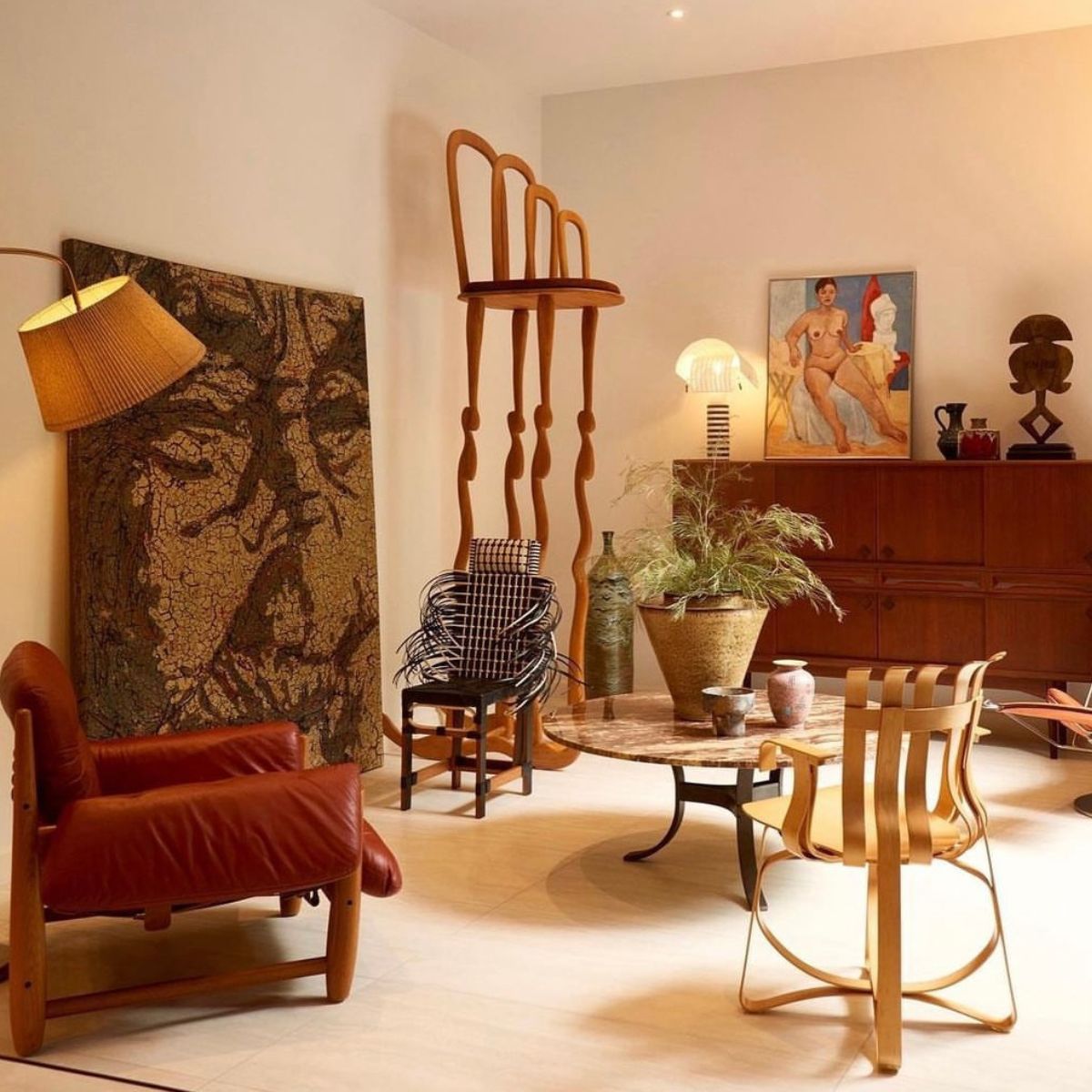
Imagine a traditional wooden dining table surrounded by a combination of sculptural upholstered seating, ornate antique-inspired armchairs, and sleek metallic designs. Each chair brings something different to the arrangement: one introduces softness, another adds architectural detail, while a third contributes a little unexpected glamour. Rather than competing, these differences create a composition that feels layered and full of personality.
There is no need to follow a strict formula, either. Pairing chairs with entirely different frames, backrests, and upholstery can be surprisingly harmonious when there is a shared element connecting them. It might be a similar colour, a recurring material, or simply a balance of proportions. A warm wooden frame can sit comfortably beside polished brass, while richly upholstered seating can soften the sharper lines of a metal chair.
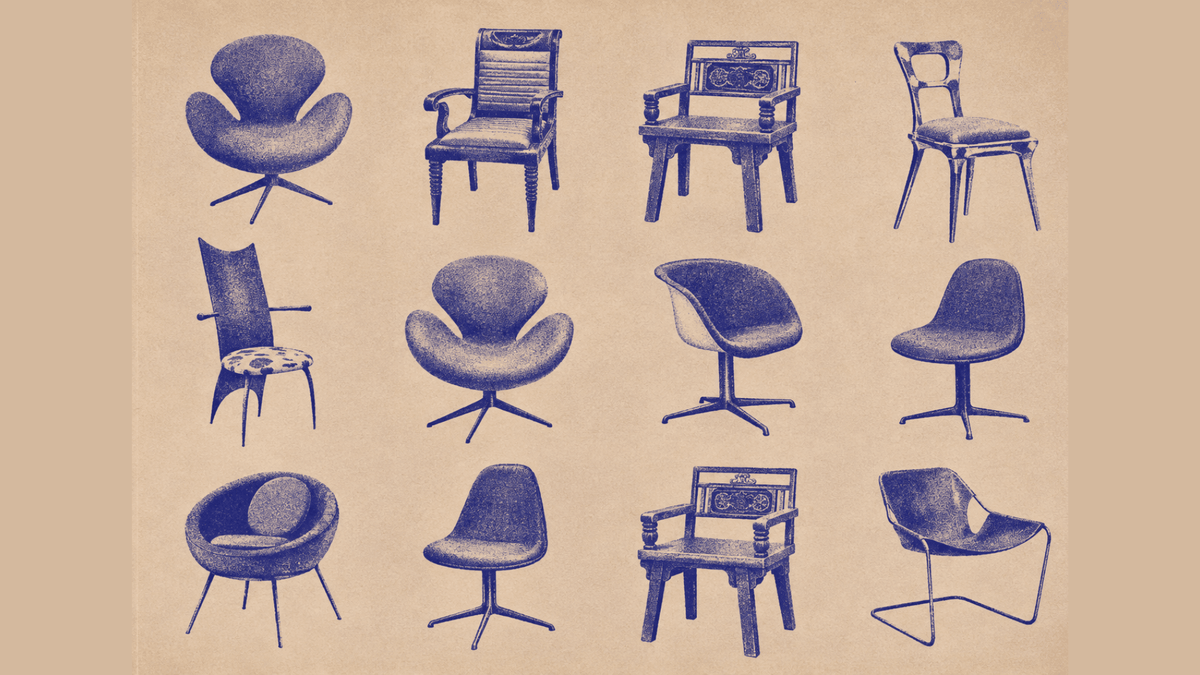
Explore our Unique Dining Chairs: (Pictured Below)
- Lisu Chair M0176
- Chinese Rosewood Dining Armchair, Pearl Inlay - Reproduction
- Orange Swan Chair
- OTS Chair - Cream White

Different Periods, One Table
Some of the most interesting dining arrangements bring together pieces that seem to belong to entirely different eras. An ornate carved wooden chair like the Chinese Official Hat Armchair might find itself beside a minimal contemporary design, while a sculptural lounge-inspired seat like the Red Swan Chair introduces an unexpected silhouette into an otherwise traditional setting.
The contrast between old and new is particularly compelling. Vintage-inspired furniture carries a sense of history through its craftsmanship, detailing, and patina. Contemporary pieces, meanwhile, often bring cleaner lines and more experimental forms. Together, they create a dialogue between different design sensibilities, giving the dining room a character that a matching furniture set rarely achieves.
Consider the richness of a dark mahogany armchair against the simplicity of a gold-finished metal dining chair, or the playful presence of an orange upholstered seat beside a traditional painted wooden design. These combinations might seem unconventional at first, but it is precisely this unexpected relationship that makes them memorable.

Making Room for Contrast
Some of the most compelling interiors are built on unexpected combinations. The softness of woven textures against polished metal, the warmth of natural wood beside cool stone, or the delicate detailing of an ornate chair against a clean-lined table. These contrasts give a room depth and prevent it from feeling overly designed.
Even within a collection of mismatched chairs, balance remains important. Consider varying the silhouettes while maintaining a thoughtful colour palette, or mixing elaborate statement pieces with simpler designs that allow the eye to rest. Not every chair needs to demand attention. Sometimes, the most beautiful arrangement is one in which a single distinctive piece becomes the focal point, while the others quietly support it.
Lighting also plays an important role. A statement chandelier above a relaxed dining arrangement can introduce a sense of occasion, while smaller decorative lamps and candles create a softer atmosphere as the evening unfolds. The goal is not to make every element compete for attention, but to give each piece its own moment.
Surround’s Edit: (Pictured Below)

Collected, Never Co-ordinated
Ultimately, the best dining rooms are not designed around the idea of perfection. They are shaped by personal taste, unexpected discoveries, and pieces that hold meaning. A chair inherited from family, a vintage find, or a contemporary design chosen simply because its shape caught your eye can all contribute to a space that feels layered and authentic.
There is something wonderfully welcoming about a dining room that doesn't look as though it arrived all at once. It suggests a home that has been lived in, shared, and continually reimagined.