What is the difference between art sculptures and decorative ornaments?
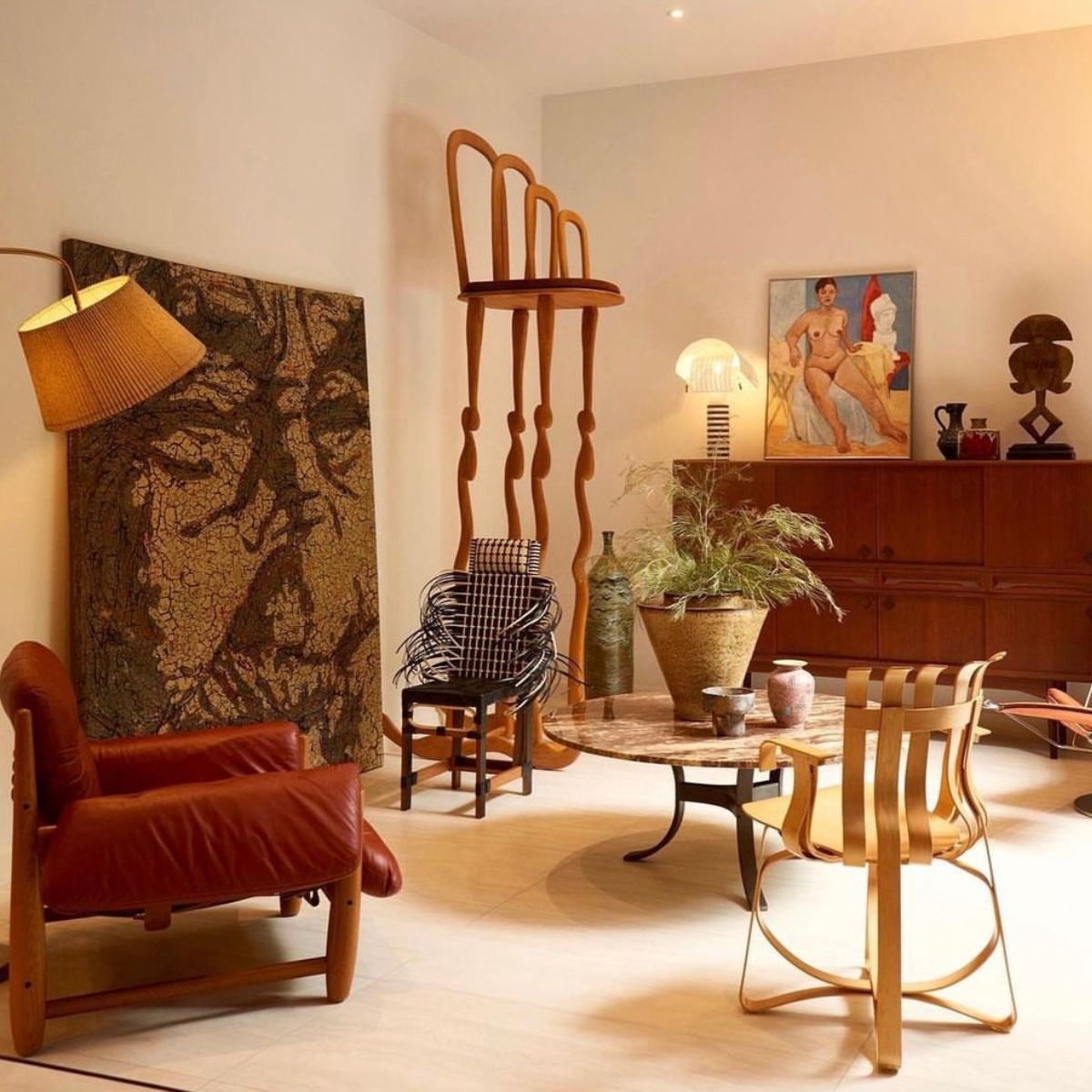
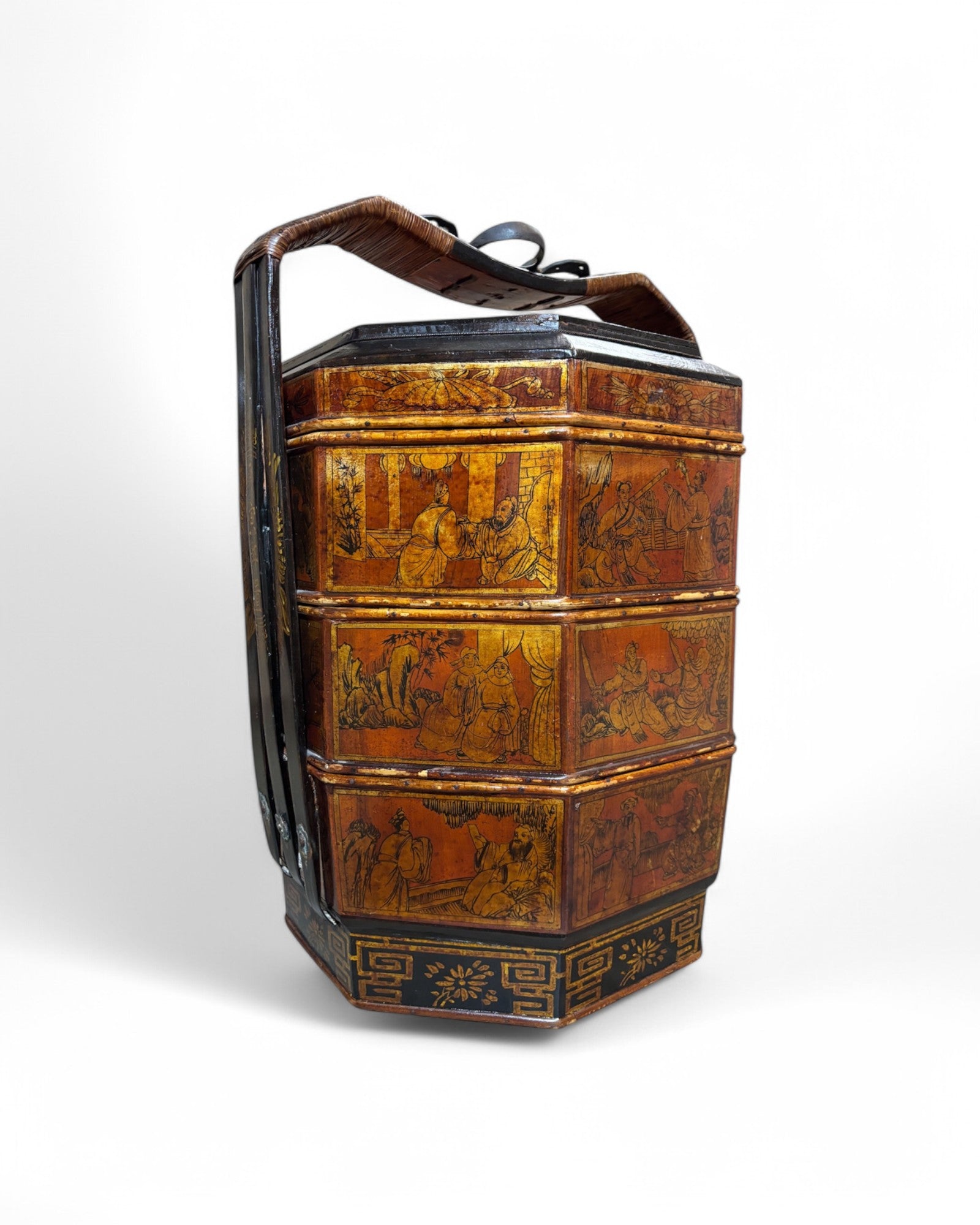
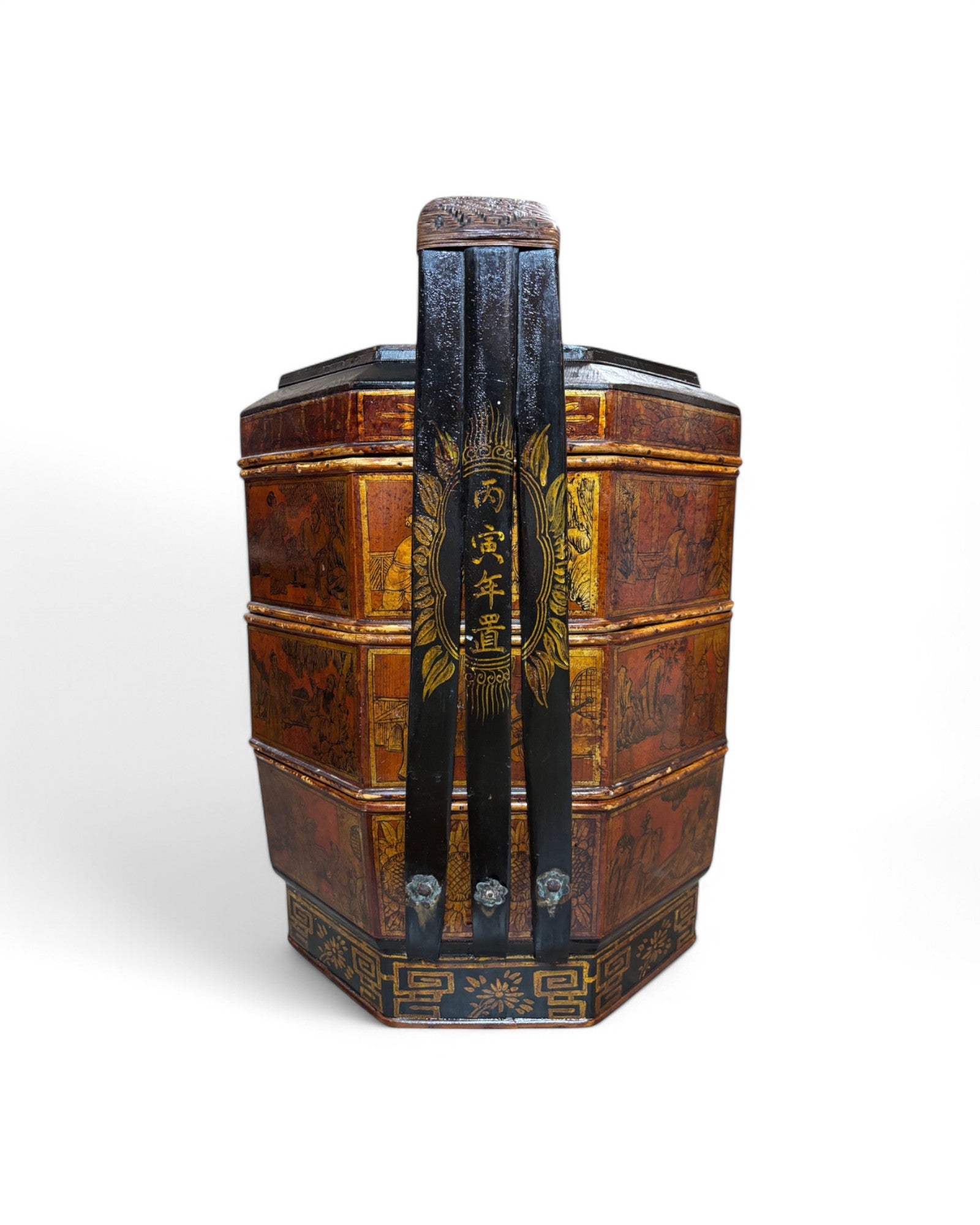
Art sculptures are created with artistic expression as their primary purpose, often conveying form, concept, or emotion. Decorative ornaments focus on enhancing visual appeal and complementing existing interiors. While both add character, sculptures tend to function as focal points, whereas ornaments support the overall design narrative.
How should art sculptures be displayed in interior spaces?
Sculptures should be given adequate space to be visually appreciated from multiple angles. Placement on pedestals, consoles, or open floor areas allows the form to stand out. Lighting also plays a crucial role in highlighting texture and contours. Thoughtful positioning enhances both the artwork and the surrounding environment.
How should art sculptures and ornaments be cared for?
Care depends on the material, such as metal, stone, ceramic, or mixed media. Regular dusting with soft cloths prevents surface buildup, while avoiding direct sunlight and humidity helps preserve finishes. Sculptures should be handled carefully to prevent damage. Proper care ensures long-term preservation.
How do sculptures and ornaments influence interior atmosphere?
Sculptures introduce depth, movement, and artistic identity into a space. Ornaments add warmth and personal detail, softening interiors and enhancing cohesion. Together, they create layers of visual interest. Their presence can elevate a room from functional to expressive.
What role do materials play in choosing sculptures and ornaments?
Materials affect durability, maintenance, and visual impact. Natural materials convey timelessness, while contemporary materials offer modern appeal. The choice should align with interior style and placement conditions. Material selection helps determine both aesthetic and practical longevity.