
By Surround Living
There is a quiet shift happening in contemporary interiors. As homes move away from polished perfection and fleeting design trends, a different aesthetic is taking shape—one that feels older, slower, and deeply rooted in material. Across architecture, furniture, and decorative arts, designers are looking backward to move forward, embracing forms that could have existed thousands of years ago yet feel remarkably at home in modern spaces.
This movement has become known as Primitive Modernism: an approach that celebrates the raw beauty of carved wood, weathered stone, handmade vessels, and sculptural objects whose appeal lies not in ornament, but in honesty. These are pieces that resist trends because they were never designed to follow them in the first place.
Ancient in spirit, contemporary in living. Our Primitive Modernism collection explores timeless forms, natural materials, and handcrafted pieces that feel both excavated and effortlessly modern.
Shop The Primitive Modernism Collection Here →
Ancient Forms in Contemporary Interiors
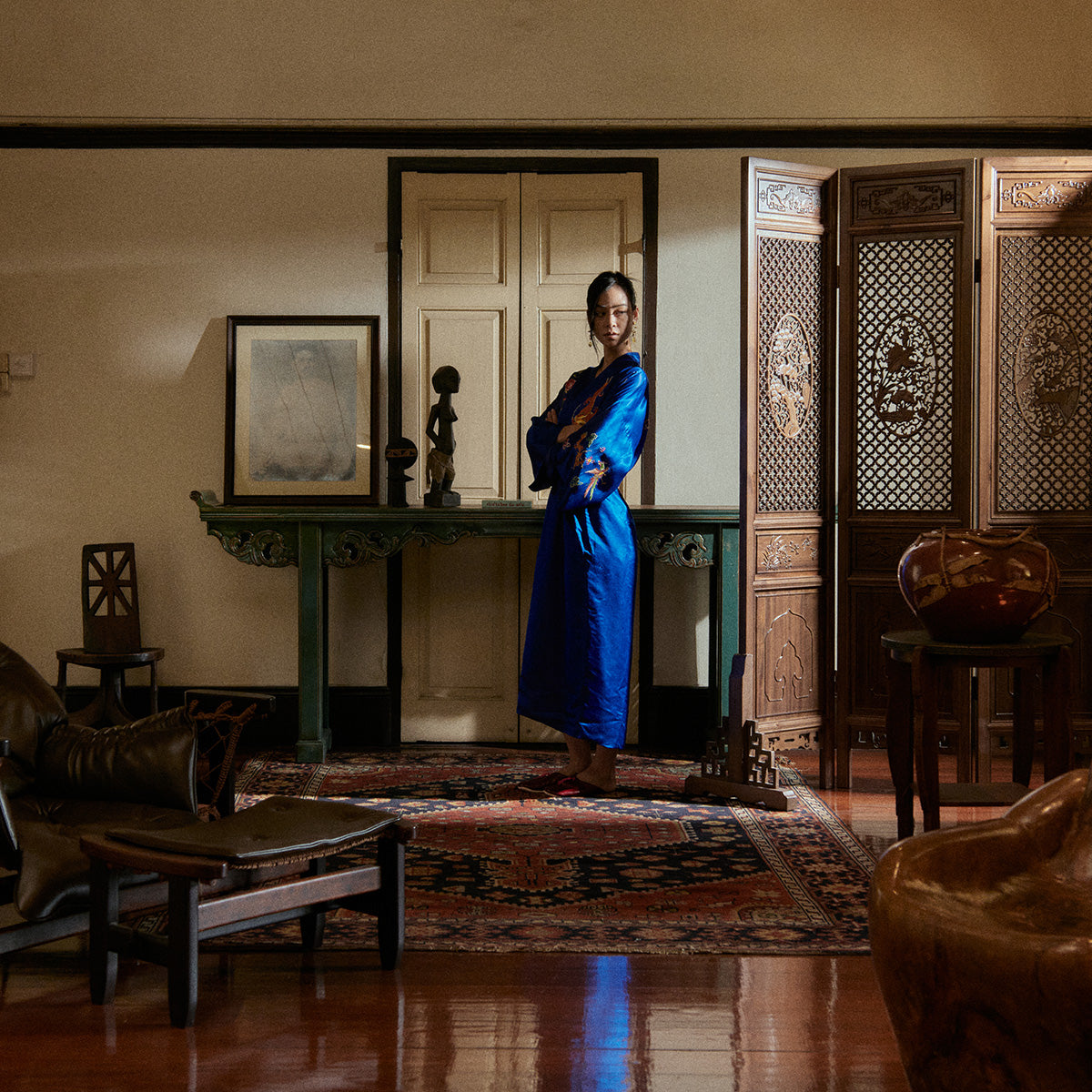
Walk into some of today's most celebrated interiors and you'll notice an unexpected pattern. Minimalist rooms are no longer filled exclusively with sleek furniture or polished finishes. Instead, they are softened by ancient-looking objects—a hand-carved stool beside a travertine table, a ceramic vessel with an uneven silhouette, or a centuries-old cabinet standing against clean white walls.
The contrast feels surprisingly natural.
Ancient forms possess a visual language that contemporary design continues to borrow from: simple geometry, generous proportions, tactile materials, and silhouettes shaped by necessity rather than decoration. These objects create balance within modern architecture, introducing warmth, texture, and a sense of permanence that newer pieces often struggle to achieve.
The result is an interior that feels collected rather than decorated.
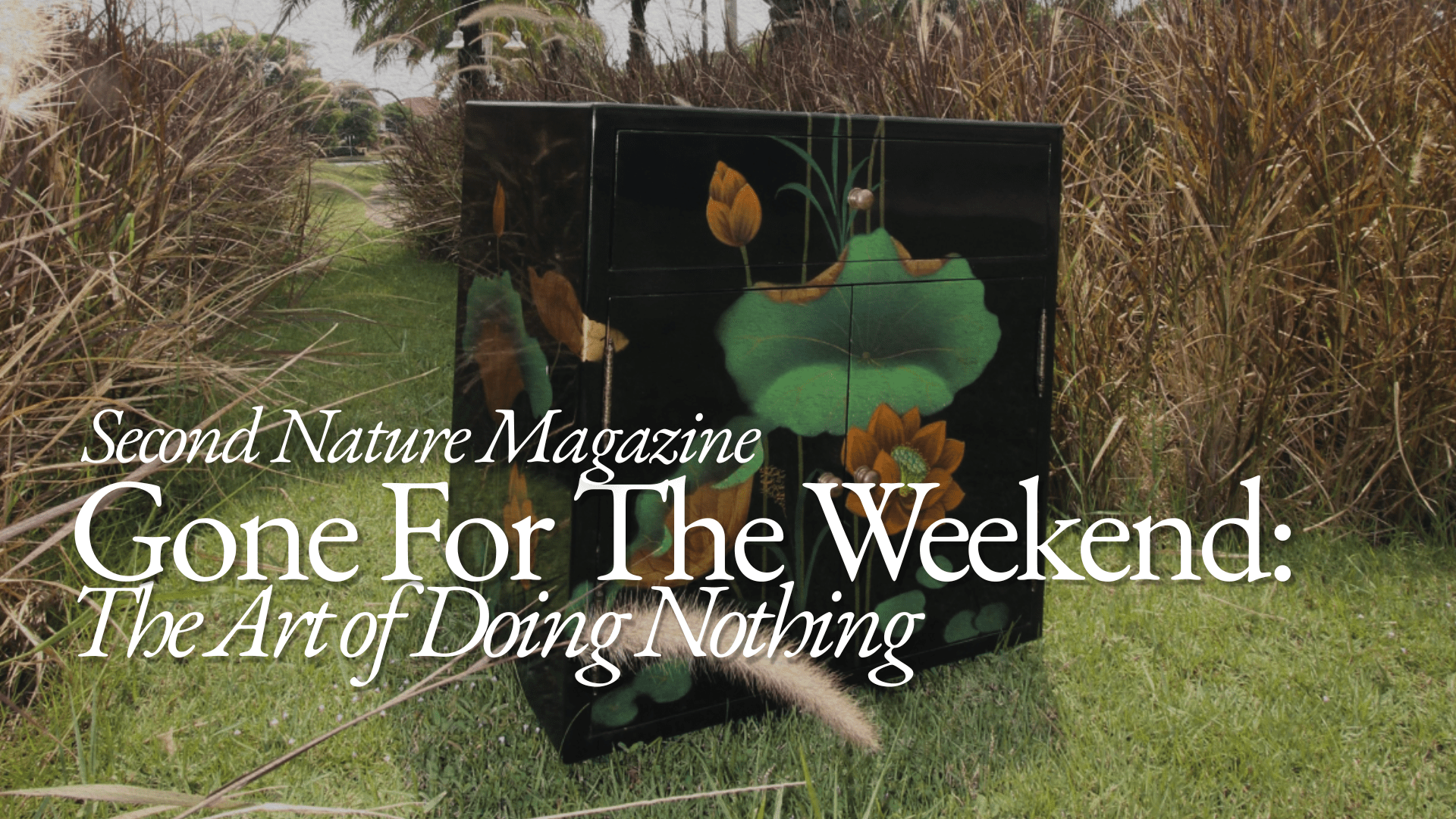
Curated by Surround, here are some of our featured pieces: (Pictured below)
- SUMPHAT - Beneath the Canopy
- SUMPHAT - Silk Vase (A)
- Side Table - Matte Black
- Meditation Seat ที่นั่งสมาธิ - T Stool
- Modigliani Vase #2 - Set of 3
- Untitled #1 - Acrylic Collage on Canvas & Burlap Mounted on Board
- Vintage Naga Carved Wooden Low Bench & Coffee Table 1920s

Ancient or Contemporary?
Some of the most compelling objects today invite the same question:That ambiguity is precisely what makes Primitive Modernism so captivating.
Some of our favorite MASAYA pieces: (Pictured below)


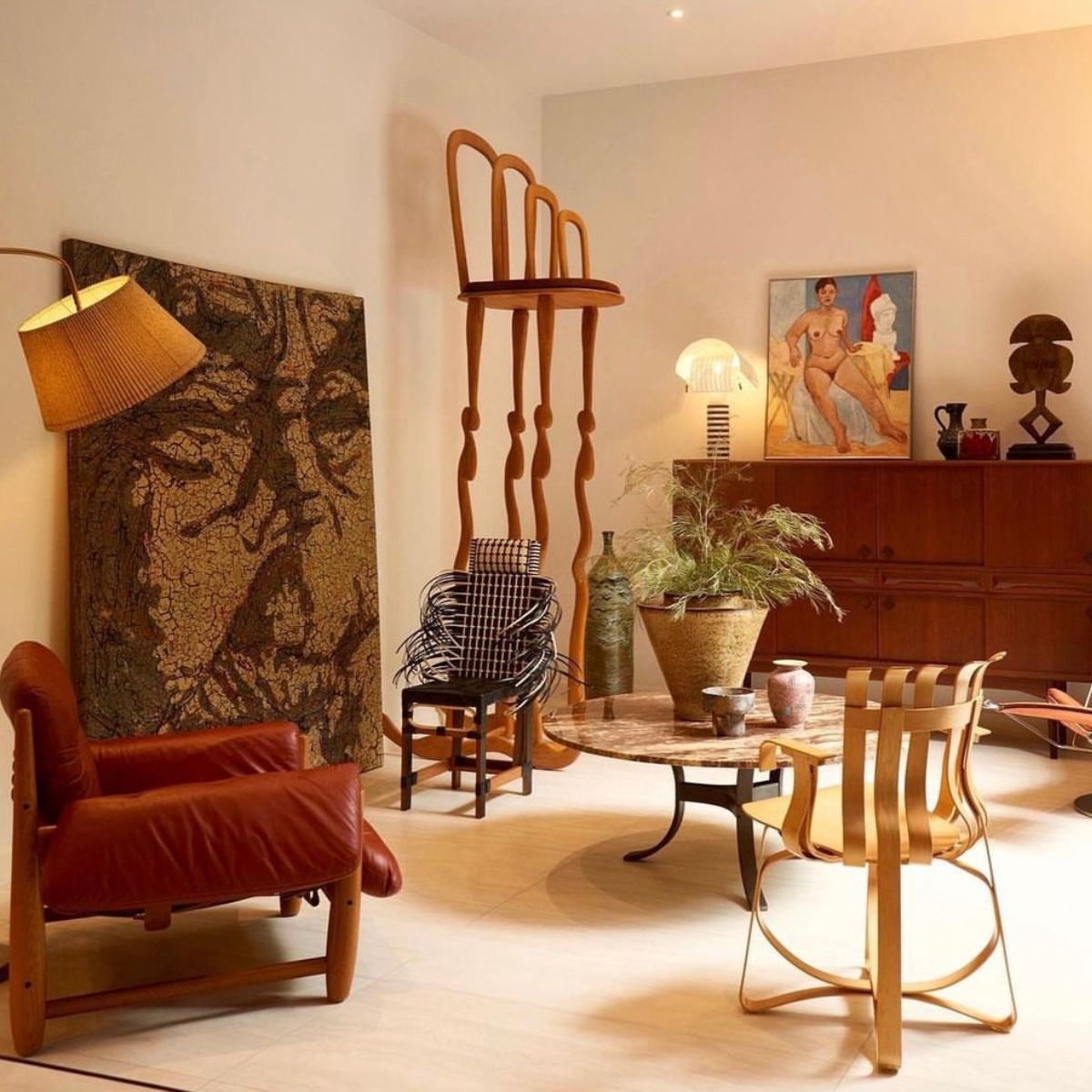
The Return of the Primitive Chair
Few pieces illustrate this better than the primitive chair.Far removed from elaborate upholstery or decorative detailing, these chairs celebrate pure structure. Thick timber legs, visible joinery, woven seats, and sculptural silhouettes reveal the hand of the maker rather than the precision of industrial production.
Whether inspired by rural vernacular furniture, monastic simplicity, or early modernist interpretations of traditional craftsmanship, primitive chairs possess an unmistakable presence. They feel less like furniture and more like functional sculpture—objects capable of anchoring an entire room through proportion and material alone.
Placed within a contemporary interior, they become quiet focal points, proving that restraint often has the greatest impact.

Objects Older Than the Trends They Inspire
Many of today's most influential design movements—from wabi-sabi to quiet luxury and organic minimalism—owe an enormous debt to objects that have existed for centuries.
Weathered wooden benches inspired today's appreciation for natural patina. Ancient stone vessels anticipated the sculptural accessories now filling modern homes. Hand-built ceramics laid the foundation for the renewed fascination with irregularity and imperfection.
- Living Collection Log Stool (S) - Polished Brass
- Sterling Silver Sea Turtle Teak Wood Bowl
- Antique Grain Storage Stool
- Splitman African Tribal Hand-Carved Stand Black Wood

Carved Objects That Tell Stories
Primitive Modernism is ultimately about more than appearance. Every hand-carved object carries subtle evidence of its making: the rhythm of a chisel, the softness of worn edges, the slight asymmetry impossible to replicate by machine.
Vessels Beyond Function
Perhaps no object embodies this philosophy better than the humble vessel.Originally created to store grain, carry water, or preserve food, vessels have quietly evolved into some of the most sculptural forms found in contemporary homes. Grouped on shelves, displayed on pedestals, or left empty on a dining table, they no longer need a practical purpose to feel essential.
Modern Homes, Collected Slowly
Primitive Modernism is not about recreating the past. It is about allowing old and new to coexist. A contemporary concrete home becomes warmer with an antique wooden bench. Minimal architecture gains depth through aged ceramics. Modern lighting feels softer beside carved timber and natural stone. These combinations resist being tied to a particular decade because they draw from something far older than fashion. They remind us that the most enduring interiors are those built through patience rather than speed, collection rather than consumption.In an age of rapidly changing aesthetics, the most contemporary rooms may be those that acknowledge history rather than erase it.Primitive Modernism at Surround Living
At Surround Living, Primitive Modernism is expressed through a carefully curated dialogue between heritage and contemporary craftsmanship. Hand-carved timber furniture, sculptural seating, weathered cabinets, tactile ceramics, cast bronze objects, and stone forms are brought together not because they belong to the same era, but because they share the same timeless language of material, proportion, and authenticity.