For years, the design world chased a kind of immaculate perfection: stark white kitchens, sculptural boucle chairs, interiors so meticulously edited they felt almost untouchable. But lately, something softer has taken hold. Suddenly, younger generations are gravitating toward pleated lampshades, heirloom china, floral upholstery, needlepoint pillows, and the quiet romance of a room that appears to have evolved over decades rather than arrived in a single delivery.
What some call "grandma aesthetics", “grandmillennial,” others have embraced as “grandmacore” or “coastal grandmother.” Whatever the label, the movement signals a profound cultural shift away from sterile minimalism and toward interiors that feel layered, nostalgic, and deeply personal.
At its core, the appeal is less about replicating a grandmother’s home and more about recreating the emotional atmosphere it represented: warmth, familiarity, ritual, and ease. Psychologists interviewed by Surround Living describe nostalgia as a form of emotional grounding—particularly during periods marked by collective uncertainty, digital fatigue, and cultural overstimulation.

That emotional undercurrent explains why the aesthetic has resonated so powerfully in recent years. In a culture defined by speed and optimisation, there is growing allure in spaces that encourage lingering. A skirted table. A worn-in reading chair. Fresh bread cooling in the kitchen. Rooms illuminated by lamplight instead of overhead LEDs. These details evoke a slower cadence of living—one that feels increasingly luxurious precisely because it is unhurried.
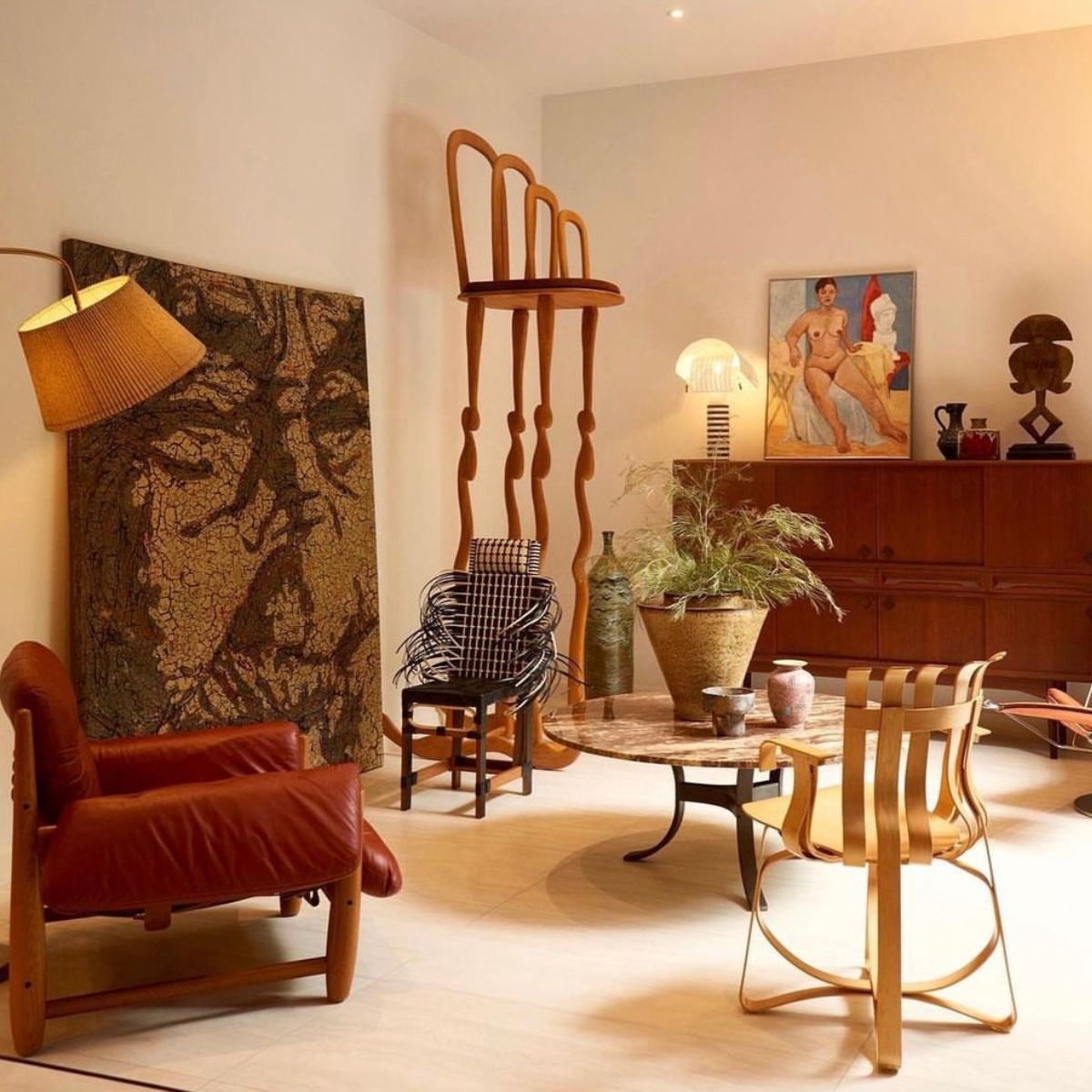
The interiors themselves reject the rigidity of trend-driven styling. Instead, they celebrate patina, memory, and collected beauty. Floral chintz returns not as irony, but as sincerity. antiques coexist with contemporary silhouettes. Wood surfaces are allowed to age. Shelves hold mismatched ceramics and inherited objects that carry narrative weight. The result is a home that feels inhabited rather than staged.


Above: Victorian Balloon-Back Floral Dining Chairs - Set of 4
Much of this aesthetic lineage can be traced to the enduring influence of Nancy Meyers films, whose interiors have become shorthand for aspirational comfort. The breezy kitchens, linen-draped living rooms, and layered coastal palettes seen in Something’s Gotta Give and its complicated helped define the now-ubiquitous “coastal grandmother” look: elegant yet relaxed, polished yet unmistakably lived in.
Surround Picks:
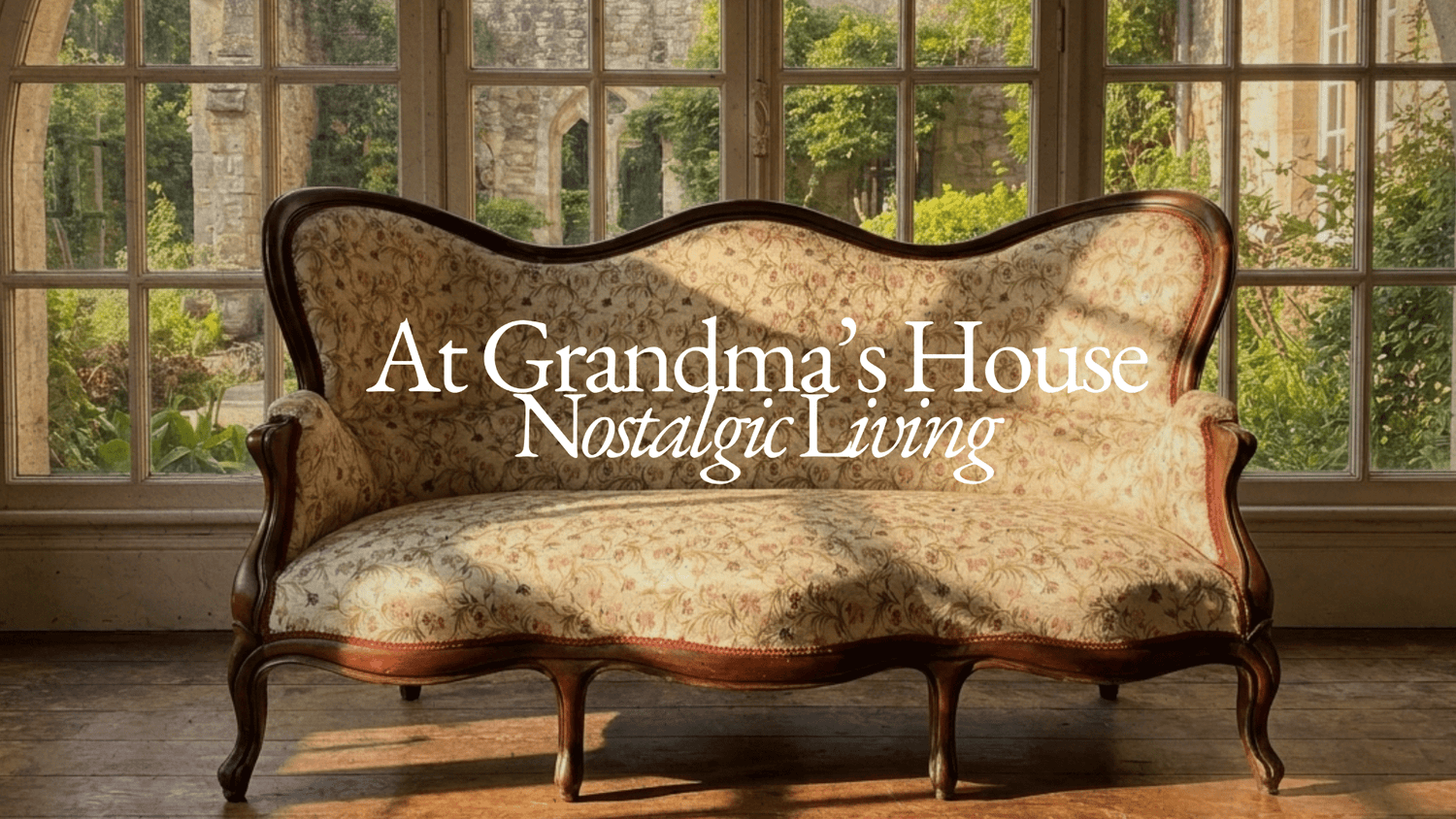
Louis Phillipe style walnut floral cushion coach (Pictured below)
Blending seamlessly into this tradition, the piece channels old-world refinement through its curved walnut frame and romantic upholstery, while still feeling inviting enough for everyday lounging. Its ornate silhouette adds a sense of European nostalgia, balanced by the softness of the floral cushions that keep the look approachable rather than overly formal.
But unlike earlier iterations of traditionalism, today’s version feels less formal and more emotionally intuitive. There is an emphasis on atmosphere over perfection, comfort over performance. Designers are increasingly embracing rooms with visible life—books stacked casually, fabrics with texture, furniture that prioritizes softness and utility over sculptural severity.
Even the accompanying hobbies reflect this desire for tactility and presence. Knitting, gardening, birdwatching, baking, and pottery—once dismissed as quaint—have become antidotes to algorithmic life. They encourage slowness, repetition, and the satisfaction of making something by hand.

Above (From right to left): Japanese Kutani Double-Gourd Vase, Japanese Kutani Bird Floral Vase (Handpainted), Stacked Chinese Woven Basket
Importantly, the resurgence of “grandma aesthetics” is not merely nostalgic escapism. It also reflects a broader reevaluation of what makes a home feel meaningful. After years dominated by aspirational minimalism, many people are rediscovering the emotional power of rooms that tell stories: inherited furniture with scratches intact, faded textiles collected while traveling, or objects that reveal affection rather than perfection.

In many ways, the movement represents a return to intimacy in design. Homes are becoming softer, moodier, and more autobiographical. They are spaces meant not just to impress, but to comfort.
And perhaps that is the true appeal of the grandmother aesthetic: it reminds us that beauty is not always found in what is newest, sleekest, or most optimized. Sometimes, the most compelling interiors are the ones that feel remembered.